 Did you make a New Year’s resolution to get in shape? Join the crowd: Every year, gym membership personnel and physical trainers brace for January when motivated new clients show
up in droves. Unfortunately, a couple of months later, they quit, often nursing injuries.
The key to getting in shape is consistency. 068 went out to query the extraordinary wealth of local and area expertise — physical therapists, yoga instructors, elite personal trainers, and fitness pros — to ferret out their secrets and tips for preventing injuries and staying
the course.
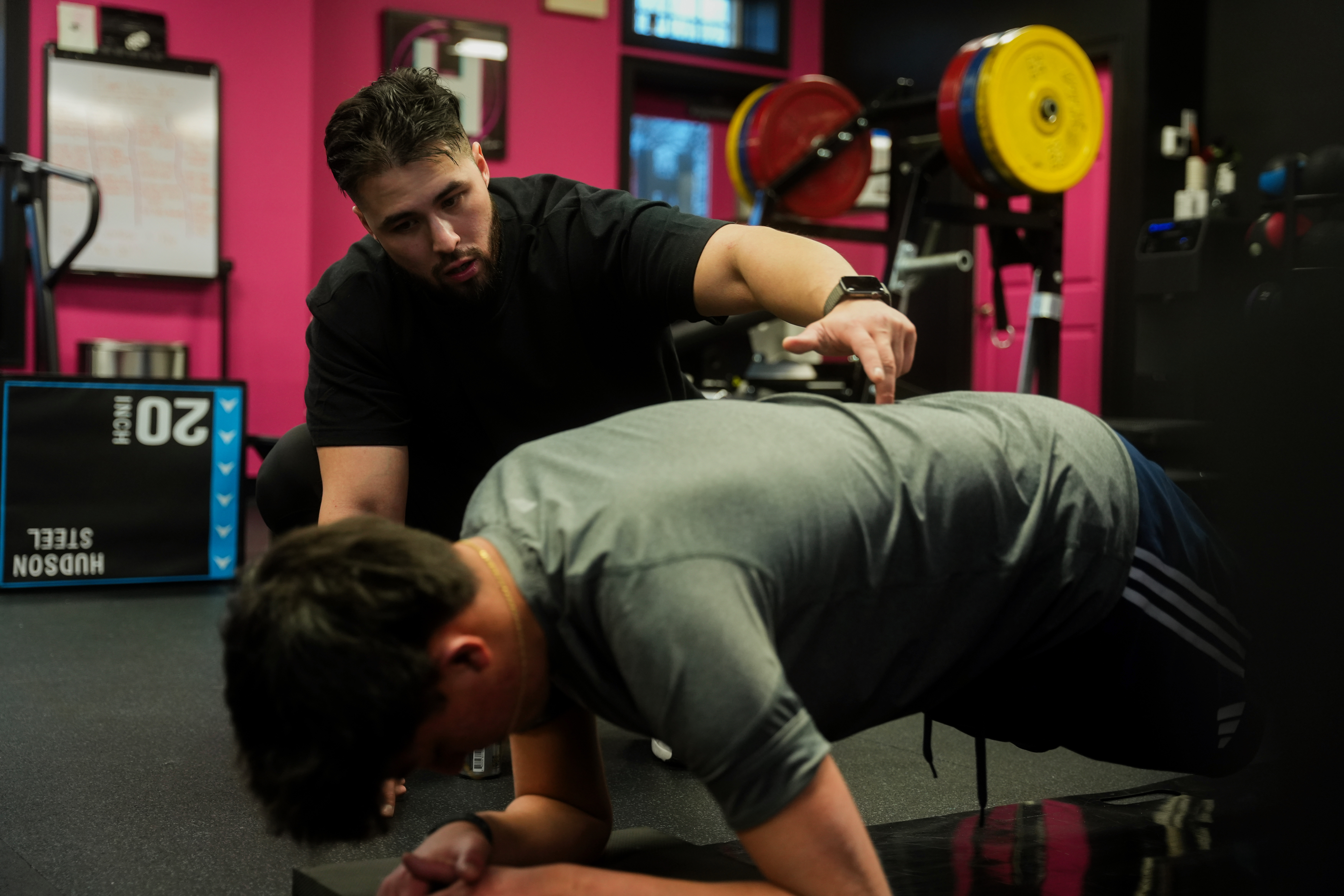
“First off, set realistic goals that coincide with your activity level of the past six months,” says Jay Correia, of Professional Physical Therapy. If the last six months have been sedentary, start with walking on gentle surfaces like a track, and body weight calisthenics. Before prescribing exercise, Correia explores everyone’s existing movement mechanics – what parts are working and what body parts have accumulated “micro trauma” due to repetitive activities, such as sitting hunched over at a desk for hours.
Next, find something you genuinely enjoy doing and that can be managed with a busy life schedule. Fit it in “like brushing your teeth – make it non-negotiable” as a mindset, according to Tom Chin of Highlife Ridgefield. Highlife trainers use a scientific whole-body workout of all the muscles versus focusing on one muscle group. “Whole body workouts release the most feel-good hormones,” says Chin. Highlife aims to provide long-term tools for home workouts. Trained in what Chin refers to as “biomechanics,” he tailors workouts to individuals’ life circumstances, for example, post-partum exercises for
new mothers.
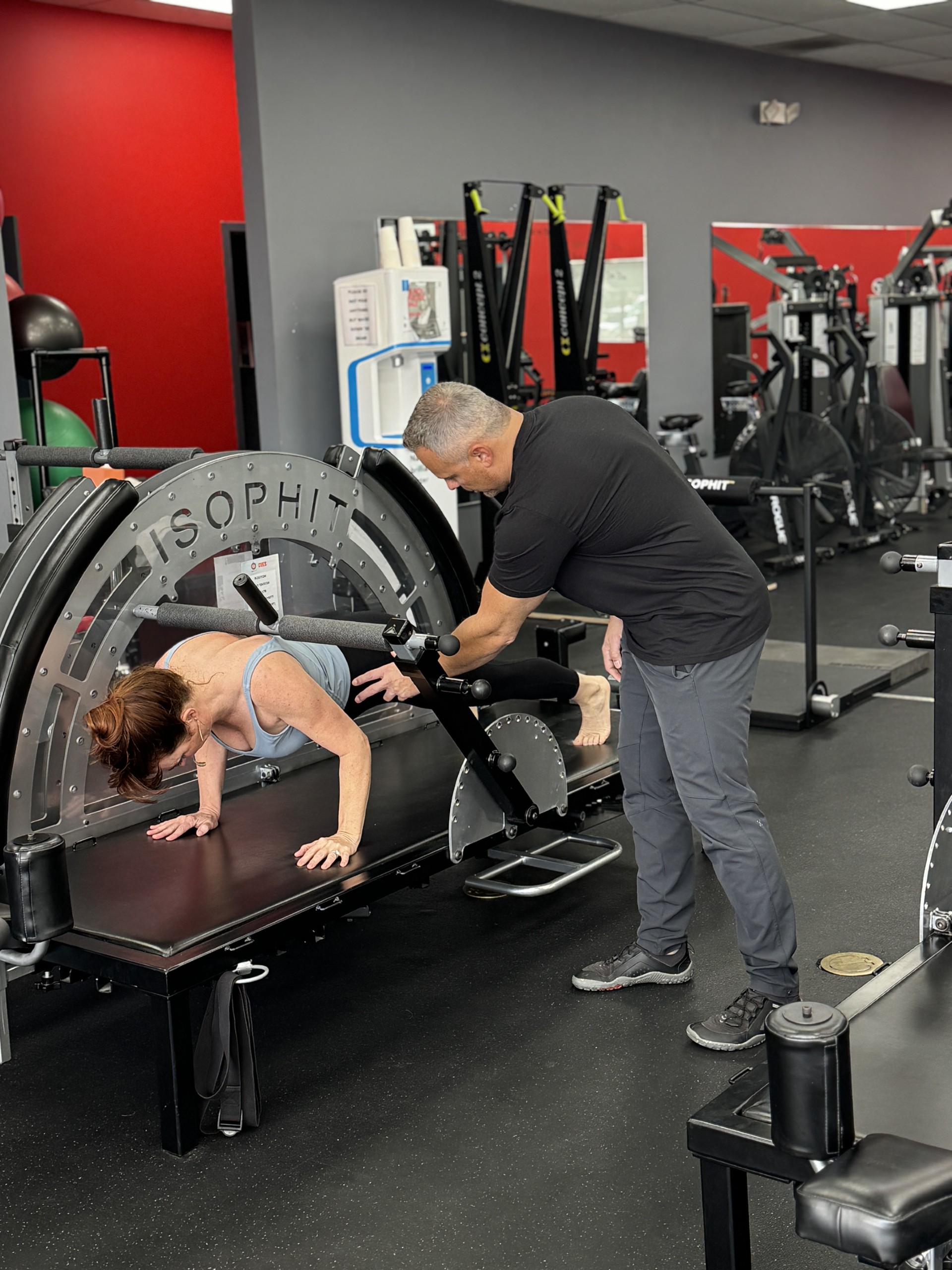 Free initial consults are available at most gyms and can make a difference because communication is essential for preventing injuries. Results Fitness in Ridgefield offers every client a detailed Muscle Activation Techniques range of motion assessment to uncover muscular imbalances. “Using the data, we design a program that restores proper muscle function and builds strength safely and efficiently. We use our ISOPHIT system to target and strengthen these weak points through controlled isometric training before progressing to more dynamic work,” says Results owner, JP Mikhael.
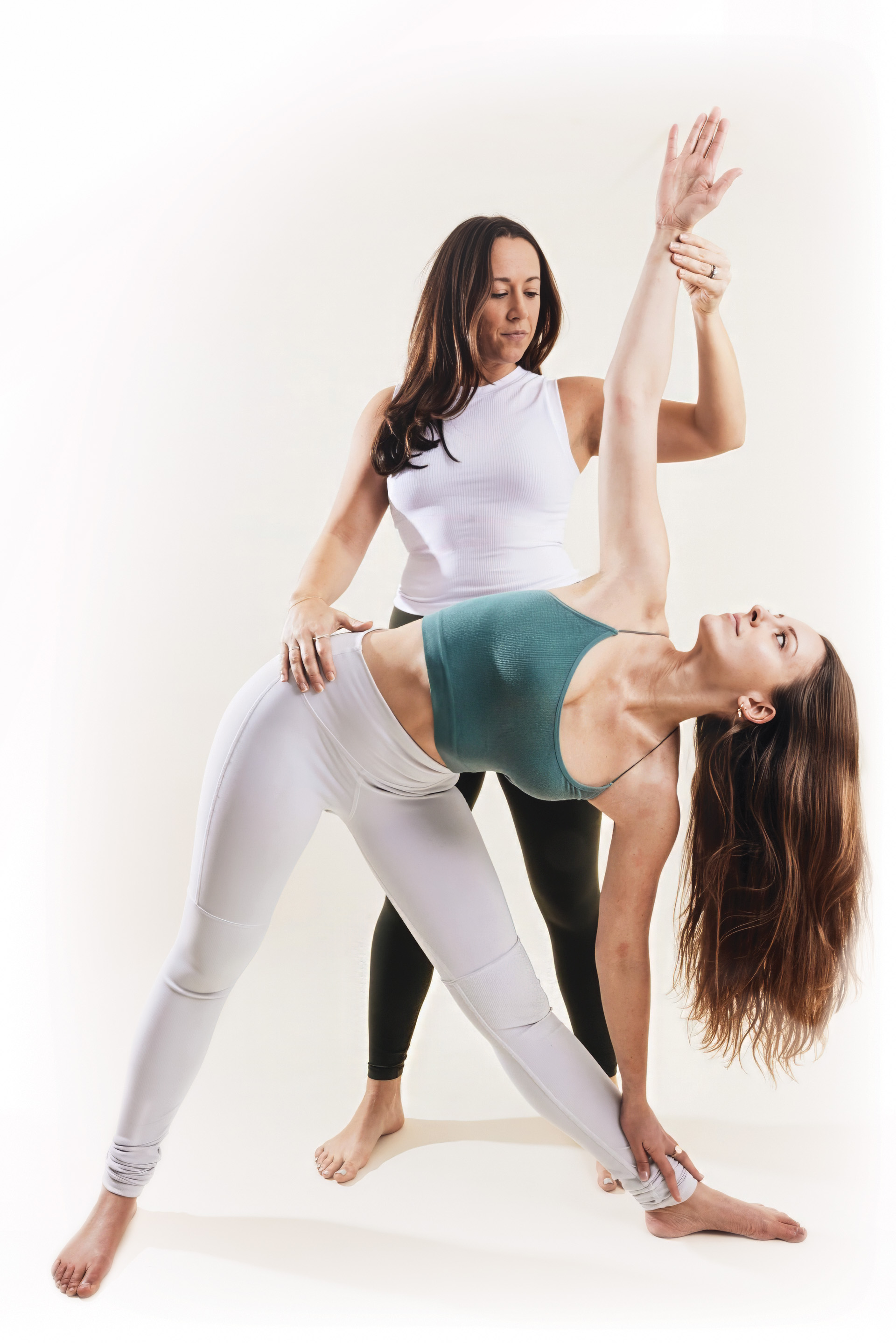
“Often people have a lot of apprehension when starting a new workout,” explains Whitney Coccaro, founder of Yoga Station and Wellness in Redding, where classes are available at every level, from beginner to advanced. All adults need to stretch for physical well-being and to stretch properly to prepare for other exercises, Coccaro adds.
 “Tips for avoiding injury when beginning yoga include being well hydrated beforehand and listening to one’s body by being mindful of where your body is now,” says Coccaro. Class participants are encouraged to slow down and to communicate, not only with their own bodies, but with the instructors. Before each class begins, participants should share any injuries, discomforts, or tightness.
Chris Litrenta, coach and owner of AthleticIQ, has thirty-plus years of personal training experience. He describes the core of his training as “physical literacy,” the ability to respond athletically to one’s environment. His training focuses not only on joints and muscles, but also on the connective tissue in between, which is often the source of unwanted injuries. Litrenta’s literacy lessons include losing the myth of simple weight loss to define success. “Muscle weighs more than fat,” he explains. The advantage is that once gained, muscles burn calories, even when the body is at rest.
Benjamin Franklin said it best, “An ounce of prevention is worth a pound of cure.” When it comes to your New Year’s fitness goals, prevention starts with a plan—one built on realistic expectations, consistent effort, and good communication with your fitness professionals. So, this year, skip the crash starts. Move with intention, stay mindful, and make every workout a step toward the version of you that keeps going—all year long. •
