Contrary to stereotypes related to its nickname as the “land of steady habits,” Connecticut has long been a hotbed of revolutionary thought, playing an integral role in the development of many of the tools, drinks, devices, and vehicles that have powered the modern world. Here are some of the most influential inventions that were introduced here for the first time.
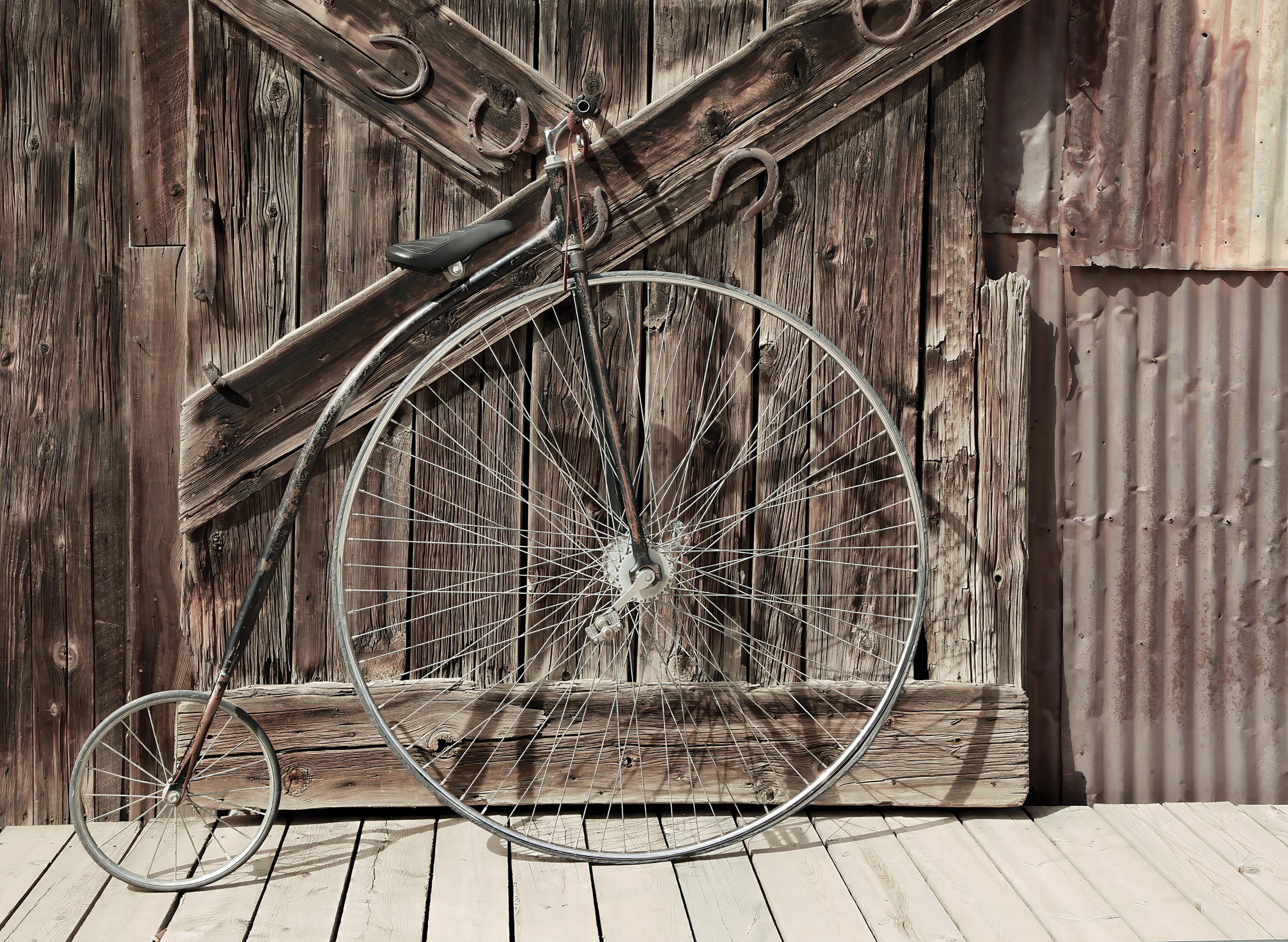 The Bicycle
In the spring of 1866, Pierre Lallement, a French immigrant to the U.S., took one of the world’s first bike rides, cycling his new invention from his home in Ansonia to New Haven. Lallement’s historic ride was part of a patent application for his new invention. That patent was awarded in November 1866. Though Lallement got the first patent for a bicycle, the Paris-based Michaux company beat him to market, ultimately selling the world’s first bicycles and leading to many years of finger-pointing as to whether Lallement stole the idea from the Michaux company or vice versa.
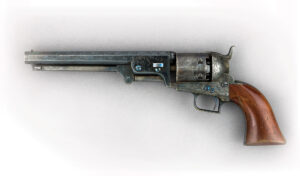
Colt Revolvers and More
The Colt 45 was built in Connecticut, along with many other guns from inventor and arms pioneer Samuel Colt. In 1855, Colt opened Colt’s Patent Firearms Manufacturing Company in Hartford, helping to make Connecticut a leading manufacturer of arms. Another leading gun manufacturer of the era, Winchester, also produced its firearms in Bridgeport and
New Haven, Connecticut.
The Toothpaste Tube
Toothpaste, in some form or another, has been around for thousands of years, but in the 1800s it generally came in a jar that members of the same family would all dip their brushes into. This unhygienic practice came to an end thanks to the ingenuity of a father-and-son dentist team from New London. While traveling in Europe, Dr. Lucius Tracy Sheffield saw the paint tubes artists used. When he got back to the states, he told his dad, Dr. Washington Wentworth Sheffield, about it. Before long, father and son were marketing the first tube-based toothpaste. Thankfully for bright smiles everywhere, other companies soon
followed suit.
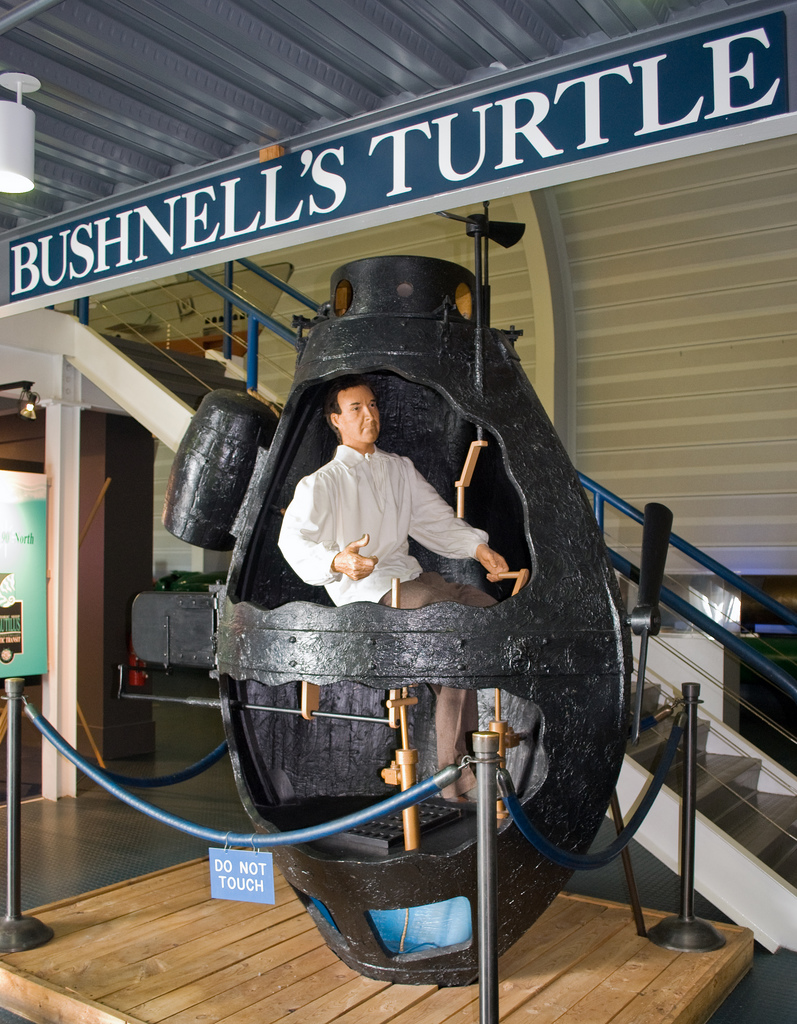 Submarines
The modern submarine was invented in Connecticut by David Bushnell during the Revolutionary War. In 1776, several attempts were made to use the craft to secretly attach explosives to British warships. Though these attempts were unsuccessful, Bushnell is remembered as the “father of submarine warfare.” During the Cold War the first nuclear-powered submarine, the Nautilus, was built and launched in Connecticut. This futuristic device could generate its own oxygen and water from ocean water and didn’t need to surface for months at a time. Visitors can now tour the historic craft in Groton.
Smirnoff Vodka
When Rudolph Kunett opened a vodka distillery in Bethel in 1934, it was the first one in the U.S. Kunett, an immigrant from Ukraine, had just purchased the rights and recipes to the Smirnoff brand, a now defunct Russian vodka, that was then unknown in the states. Over time, thanks in large part to this reborn version of Smirnoff, vodka became and remains the number one most consumed spirit in America. Kunett’s former distillery building is still standing at 77 South Street, near the train tracks in downtown Bethel. Alas, there’s no vodka being made there these days, but the long-abandoned building will soon see new life as condos.
Can Openers
Ezra J. Warner, a native of Waterbury, invented the first U.S. can opener in 1858. Canned foods had been around for some 50 years previously. Generally, they were opened with a chisel and hammer, but crude can openers had started appearing in Europe by the 1850s. Warner’s design marked a major step forward. Previous can openers acted as claw-like devices that would rip the top of a can off, while Warner’s device acted like a true modern can opener, sawing around a lid’s edges without going into the contents of the can. As he wrote in his patent application, the tool was so easy to use that a child could operate it “without difficulty, or risk.”
Vulcanized rubber
By the 1830s many realized the potential for rubber. But there was a problem, the substance taken from rubber trees, was wildly unstable. It would crack in the cold and melt when it got hot. Naugatuck native Charles Goodyear became obsessed with solving this problem. Ultimately, he realized that combining rubber and sulfur with heat caused it to harden and stabilize. In the 1840s, he patented the process, which he called vulcanization after Vulcan, the Roman god of fire and launched the Naugatuck-India Rubber Co. The Goodyear Tire & Rubber Co. launched after his death and is named in honor of him, though it had no connection
to him.
Frisbees
The Frisbee wasn’t invented in Connecticut, but the beloved toy owes our state a debt nonetheless. William Frisbie launched the Frisbie Pie Company in Bridgeport in the 1870s. The story goes that these pies were popular not only for their flavor but also for the aerodynamics of the pans they came in. Apparently, locals, including students at Yale, would fling these pie tins through the air, shouting “frisbie.” Whether true or not, the story inspired the owners of a Californian company to change the name of their flying disc toy to the “Frisbee” in 1957. And the rest is toy history. •
