This is the season when children write out their holiday wish lists. What was once a humble token – perhaps a small doll or an orange – holiday toys have evolved into big business. Every year, there seems to be one coveted item and the pressure to secure this high-in-demand gift can be one more thing to stress over during the season.
What are the forces, though, that drive the toy trend each year? What have been the big toys of years past, and what will be on every kid’s list
this year?
The evolution of influencing consumer buying trends can be linked to the launch of the Sears Catalog. What began as a watch mailer in 1888 eventually evolved into a major distributor and promoter of everything from clothes and tools to prefabricated houses. The Sears Catalog was the Amazon of its day. Ordering through the mail allowed retailers to market their goods to rural areas that were previously untapped. The first Christmas catalog in 1933 established Sears as the go-to for holiday gifts. Later renamed the Christmas Wishbook in 1968, it boasted 605 pages of items to choose from! Generations of children – including yours truly – would pour over the pages, circling or dog-earing items that caught their eye.
 Toy trends often mirrored the times and the cultural feeling of society. During the Great Depression, simple toys like the sock monkey and the yo-yo were popular. By the 1930s and 40s, popular toys like Shirley Temple dolls and Slinky reflected a country looking for distraction. And who could forget the Red Ryder BB gun, the coveted gift for Ralphie from movie The Christmas Story?
Turn on the TV
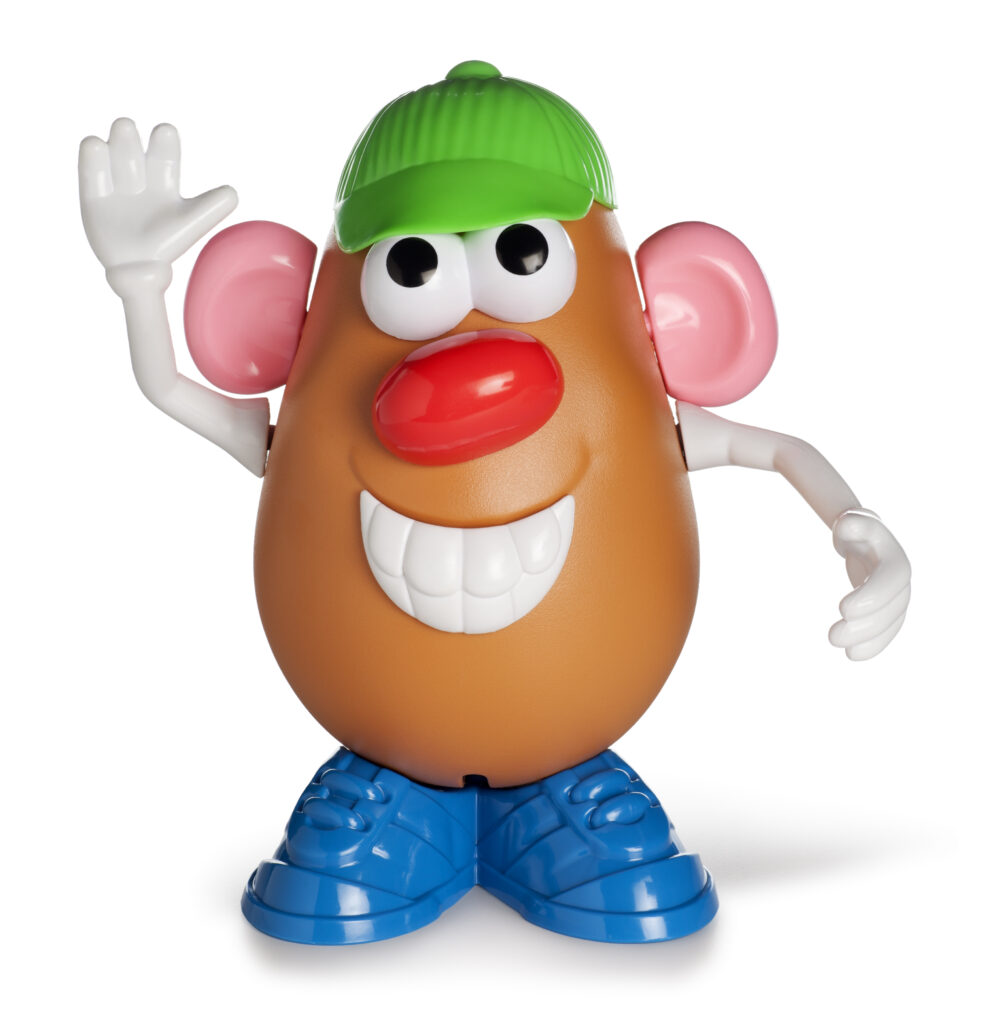
While the Christmas Wishbook remained influential for many years, the prominence of televisions in most homes shifted the market. The postwar consumer boom combined with TV ads drove sales, an influence that eventually reached the toy industry. In 1952, Hasbro made history with the first toy to be advertised on TV – none other than Mr. Potato Head – which went on to sell over 1 million units in a few short months.
The explosive growth of Saturday morning cartoons in the 1960s and 70s gave toy manufacturers a dedicated, captive window to broadcast holiday wishlist ideas directly to kids. The Star Wars franchise launched its line of toys that quickly became collectibles. GI Joe action figures, marketed solely at boys, and Easy Bake Oven, for girls, were two toys that were specifically gender-targeted.
 Perhaps one of the first truly viral toys was Cabbage Patch Kids. Each cherubic-faced doll was unique and came with its own adoption papers – this exclusivity drove the appeal. By 1983, Cabbage Patch Kids had officially taken off. Production levels couldn’t keep up with demand, leading to crazy resale prices and even violent altercations in stores.
In the early 1990s, there was a similar frenzy surrounding Tickle Me Elmo, thanks to the help of PBS Kids, which put Elmo in nearly every toddler’s living room.
Tech Talk
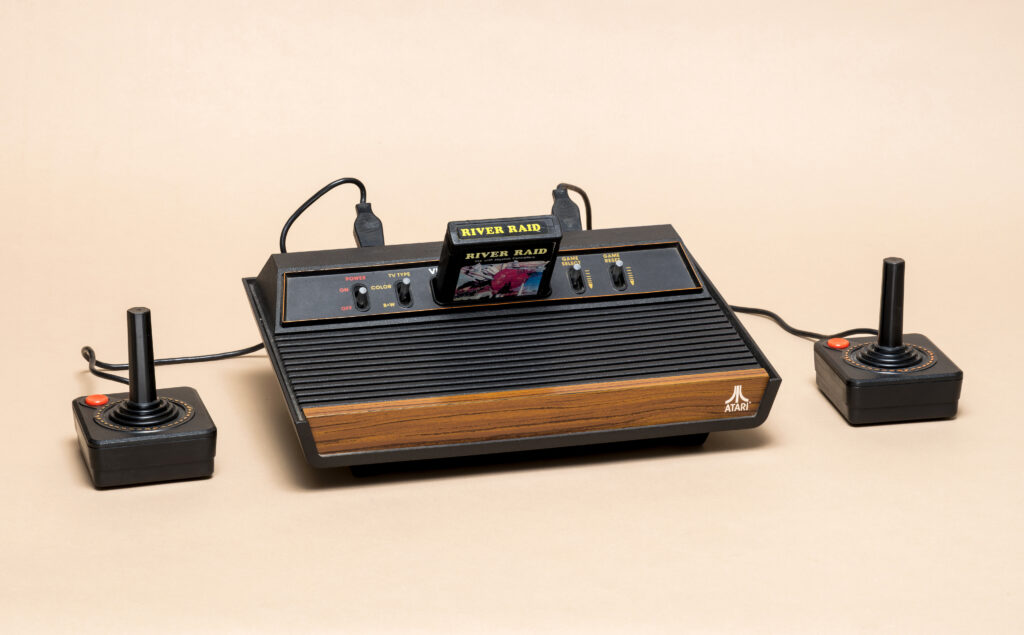
By the late 1990s and early 2000s, toys were leaning toward technology. Even though the Atari 2600 debuted in the late 70s, desire for gaming systems really took off with Nintendo Entertainment and PlayStation in the 90s and then later, the Gameboy.
The Sears Catalog had already started to see diminished sales when Amazon stepped in. Now, toys could not only be purchased from the comfort of your couch, but would arrive the next day, gift-wrapped, if requested. Despite the change, collectible toys continued their popularity.
The last few years have seen the rise of collectible toys – things like Hatchimals and Labubus, where there are multiple varieties, making it enticing to amass a collection, with rare ones becoming even more desirable.
Toys for Today
For 2026, there seems to be a movement away from computerized or electronic toys, according to Ann Lathrop, owner of The Toy Chest, which has been a fixture on Main Street in Ridgefield for over 30 years. “Board games and LEGOS have always been strong sellers,” says Lathrop. “Puzzles, especially 1000-piece ones, grew in popularity during COVID and haven’t slowed down.”
Kimberly Ramsey of the Toy Room in Bethel agrees. “I think parents are thrilled if their kids have a glimmer of interest in something that doesn’t utilize screens.”
Both toy store owners believe that the top in-demand toys for this season are NeeDohs or other similar sensory toys. “They’ve been around for years, and they’ve always been good sellers, but earlier this year, after being posted on social media, they took off,” says Ramsey, who says they sell out as soon as a new shipment comes in.
Again, the demand drives the interest; when a toy is difficult to find, it makes it more desirable. The reasons certain toys get anointed each year may change – due to cultural moods, social media or a jolt of nostalgia – but one thing is certain: many kids across the world will be hoping for the gift of the moment and parents will be scrambling to find it. •
