 Spring has sprung. Plants are popping. Colors are bursting. You’ve envisioned—and planted—the perfect garden.
And then… oh deer!
White-tailed deer are active in Connecticut year-round, and because they tend to graze at dawn and dusk, your landscape can be decimated without you ever spotting the culprit. As development continues to shrink natural habitats and food sources, deer increasingly turn to well-tended suburban gardens for their next meal.
So how do you take back your yard without surrendering beauty? Local experts agree: there is no such thing as a truly deer-proof garden—but there are smart strategies that can make your landscape far less appealing to hungry browsers.
 “Proof” Is a Strong Word
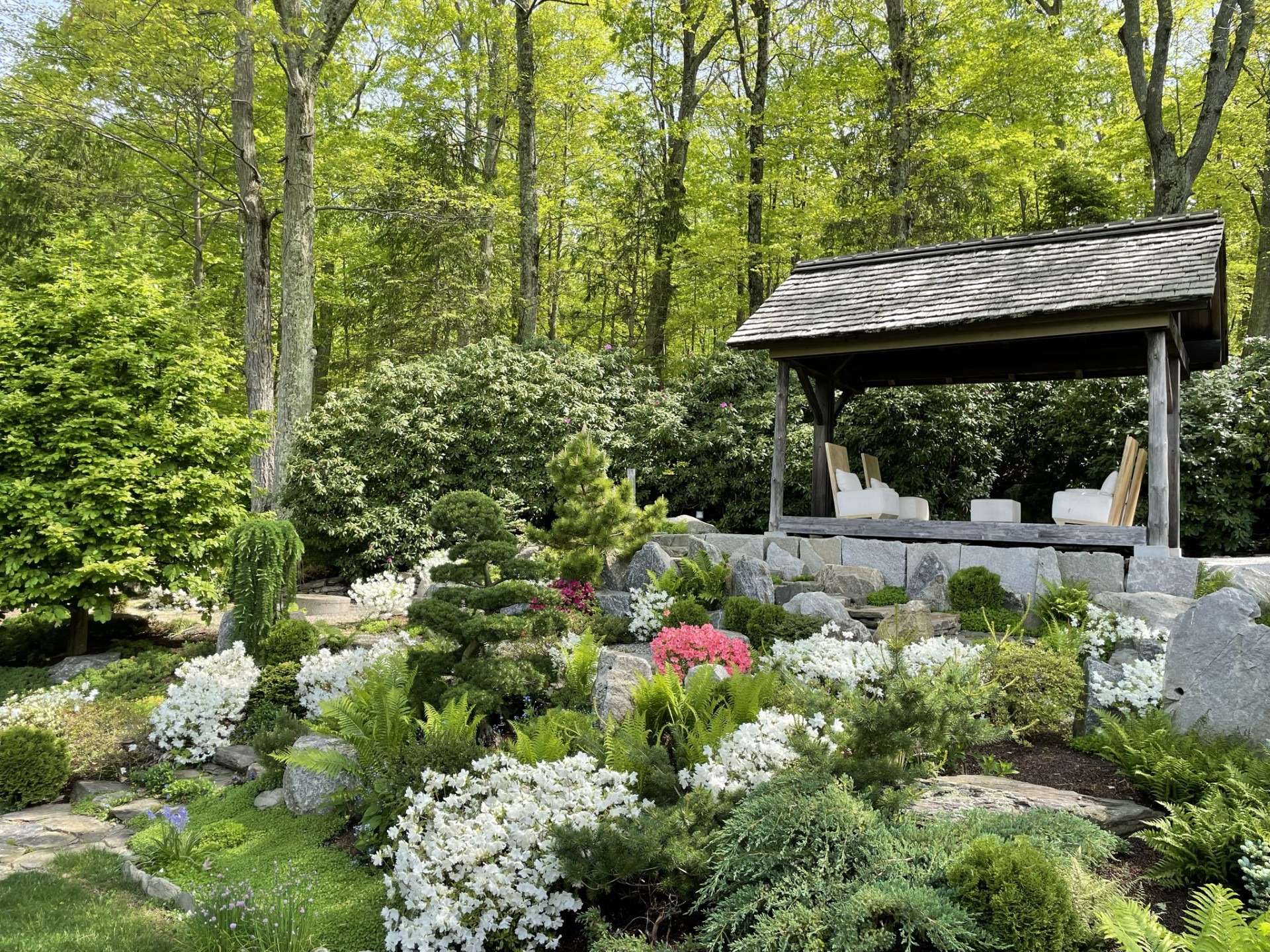
At Hollandia Nurseries, owner and senior horticulturist Eugene Reelick doesn’t sugarcoat it. “When there are 24 inches of snow on the ground, deer will eat anything,” he says. “The word ‘proof’ needs to be broken down a bit.”
The 62-year-old, full-service nursery, grower, retailer, and landscape design firm produces more than three million plants annually. With that kind of scale and experience, Reelick has seen every deer scenario imaginable.
His advice? Don’t give up on the plants you love. Instead, protect them strategically. Use deterrents strategically—much like a home alarm system—to protect what matters.
“The number one way to have what you want in your garden is to use deer repellents,” he explains. “We all have a certain palette we love. It’s a shame not to have it when solutions exist.”
 Spray Smart
Repellents are a recurring theme among local experts. Reelick recommends keeping three different deer repellents and rotating them, so deer don’t become accustomed to a single scent. Popular options include Deer Out, Bobbex, and Deer Stopper. Application frequency depends on rain, irrigation, and plant growth—typically spraying every 10 to 14 days during the growing season does the trick.
“It’s good exercise,” Reelick says. “And once you change a deer’s habitual eating path, it often moves on to a better salad bar—usually your neighbor’s.”
Container Gardening
For Cindy Young of Living Art by Cindy Young, deer resistance begins before the first shovel hits the soil. A one-woman boutique business specializing in four-season container gardens, Young blends her background as a florist with nearly two decades of garden design experience.
“You really have to stage your garden so there’s color and interest all season long,” she says. “Unfortunately, winter and early spring are when deer are hungriest—and when damage is worst.”
Her advice: don’t overlook bulbs. Many deer-resistant bulbs return year after year with minimal effort. Favorites include daffodils, grape hyacinths, snowdrops, allium, and Siberian squill. “Once planted and with minimal maintenance, they will come back for years,” she says.
Like Reelick, Young is also a strong advocate for consistent misting with repellents. “For container gardens, five minutes once a week is enough,” she says. “I had a client who thought I had a magic formula. I didn’t—I just sprayed consistently.”
 Tried-and-True Plant Choices
While deer tastes vary by property and season, there are plants they consistently avoid. According to Copia Home & Garden co-owner Peter Cipriano who holds a horticulture degree from Cornell, deer resistance is always a “slippery question.”
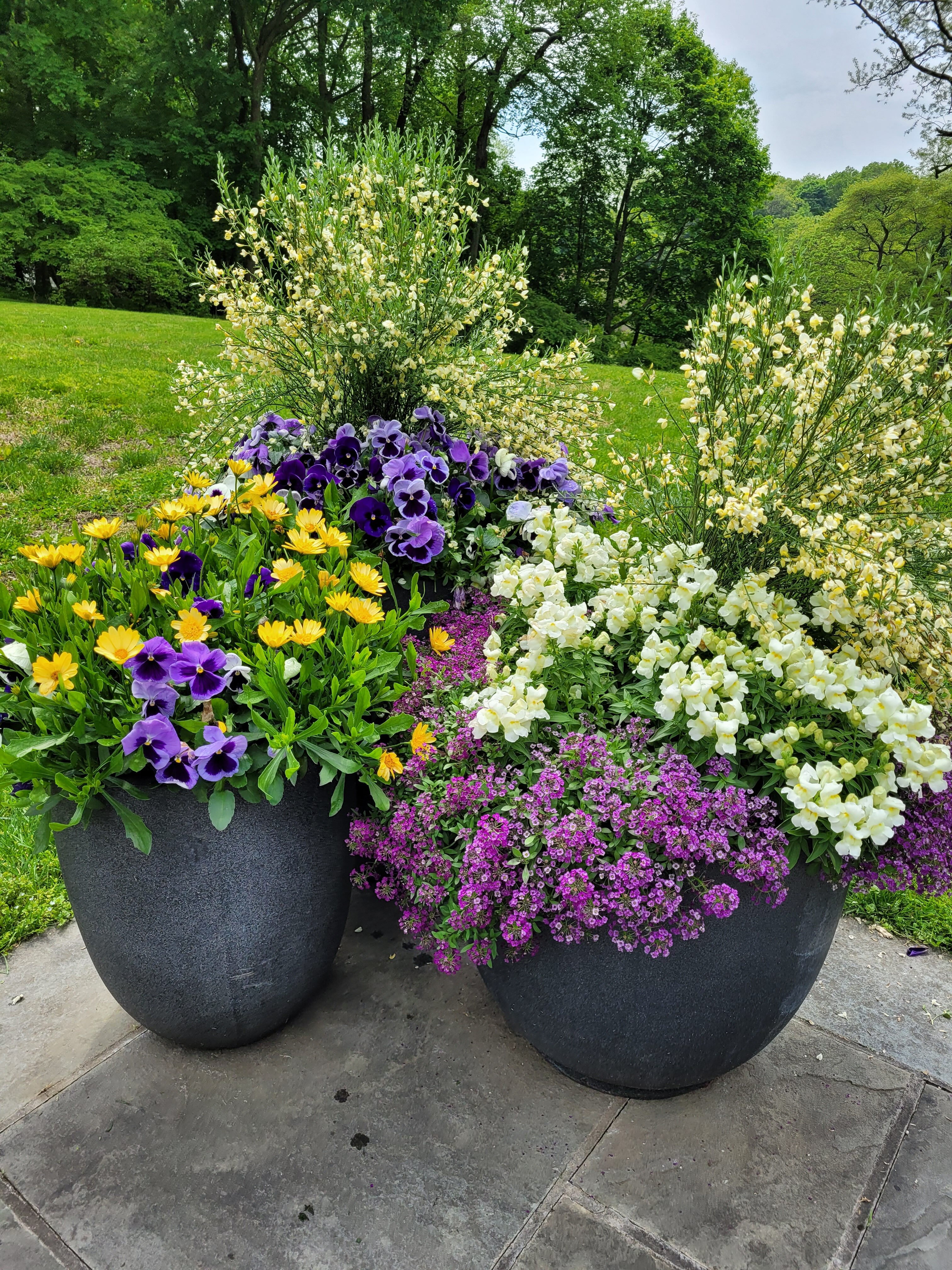
“Deer change their appetites,” he says. “Nothing is 100 percent certain.” Still, Cipriano finds some plants consistently perform better than others. Aromatic and textured varieties are often less appealing. Strong performers include nepeta (catmint), agastache, mountain mint, coreopsis, and many salvias. Among shrubs, weigela, leucothoe, spirea, American holly, and boxwood frequently withstand browsing pressure.
Cipriano also points gardeners to the deer damage rating scale developed by Rutgers Cooperative Extension, which ranks plants from rarely damaged to frequently devastated. While not foolproof, he says it is a helpful planning tool.
“Of course, deer are also one of our best salespeople,” Cipriano jokes. “We always recommend plants that are less likely to be eaten. But for people who are truly passionate about gardening, one of our best recommendations is to put up a fence.”
Deer may be a fact of life in Connecticut, but with planning, persistence, and a bit of strategic spraying, you can dramatically reduce damage—and enjoy your outdoor spaces. •
