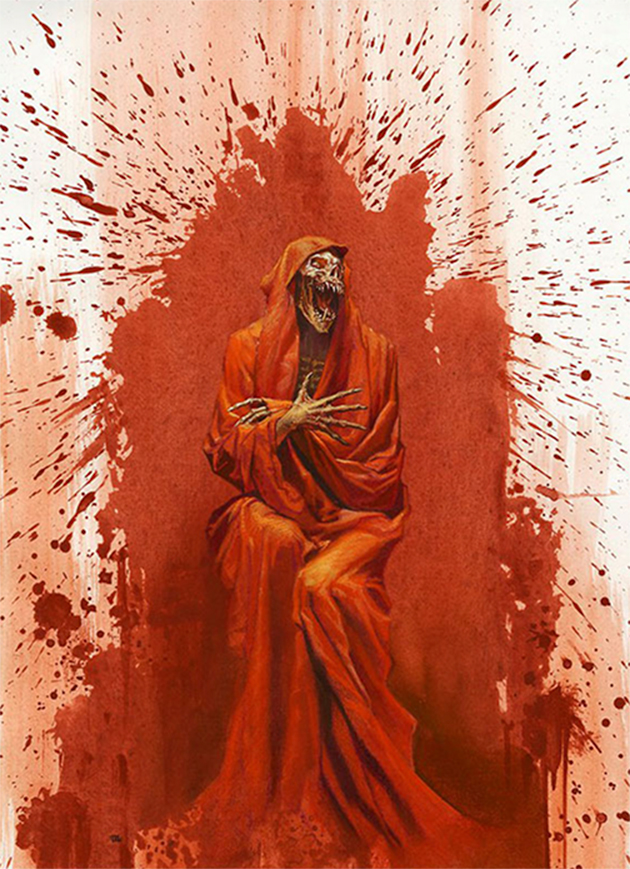
For more than five decades, Michael Whelan has been an influential visual interpreter of science fiction and fantasy. His paintings have graced hundreds of book covers for authors including Ray Bradbury, Stephen King, and Isaac Asimov.
Whelan’s work is defined by luminous color, deep expanses of space, and an emotional complexity that feels distinctly otherworldly. Behind these iconic images, however, lies a working reality defined by schedules, contracts, and the expectations of publishers and authors. “I’ve always had more assignments than time,” says Whelan. “One just does the best with the time they are given.”
The Art of Decision-Making
Book cover illustration is a commissioned art form inherently bound by deadlines. Unlike gallery painters who may develop themes over years, Whelan often had weeks—or less—to absorb a manuscript, identify its strongest narrative elements, submit sketches, incorporate revisions, and complete a finished image. “One time I submitted 22 concepts for one idea,” Whelan recalls. “I loved them all and had to let the publisher choose.”
Rather than stifling his creativity, Whelan frequently described these constraints as clarifying. A deadline forces decisions. “My best work has been done under time constraints,” Whelan explains. “It forced me to avoid wasting time on side issues. Times when I felt as though I lost my way, it was because I was thinking too much about each individual piece. Deadlines encouraged me to focus.”
He recalls a project from the 1980s in which he illustrated two panels of images that would appear across seven different book covers. “In that moment I told myself, ‘I’m going to crank up my airbrush and limit my colors,’” he says. The resulting pieces remain popular decades later, still selling as prints, serving as an example of how limitation can sharpen creative intent rather than dull it.
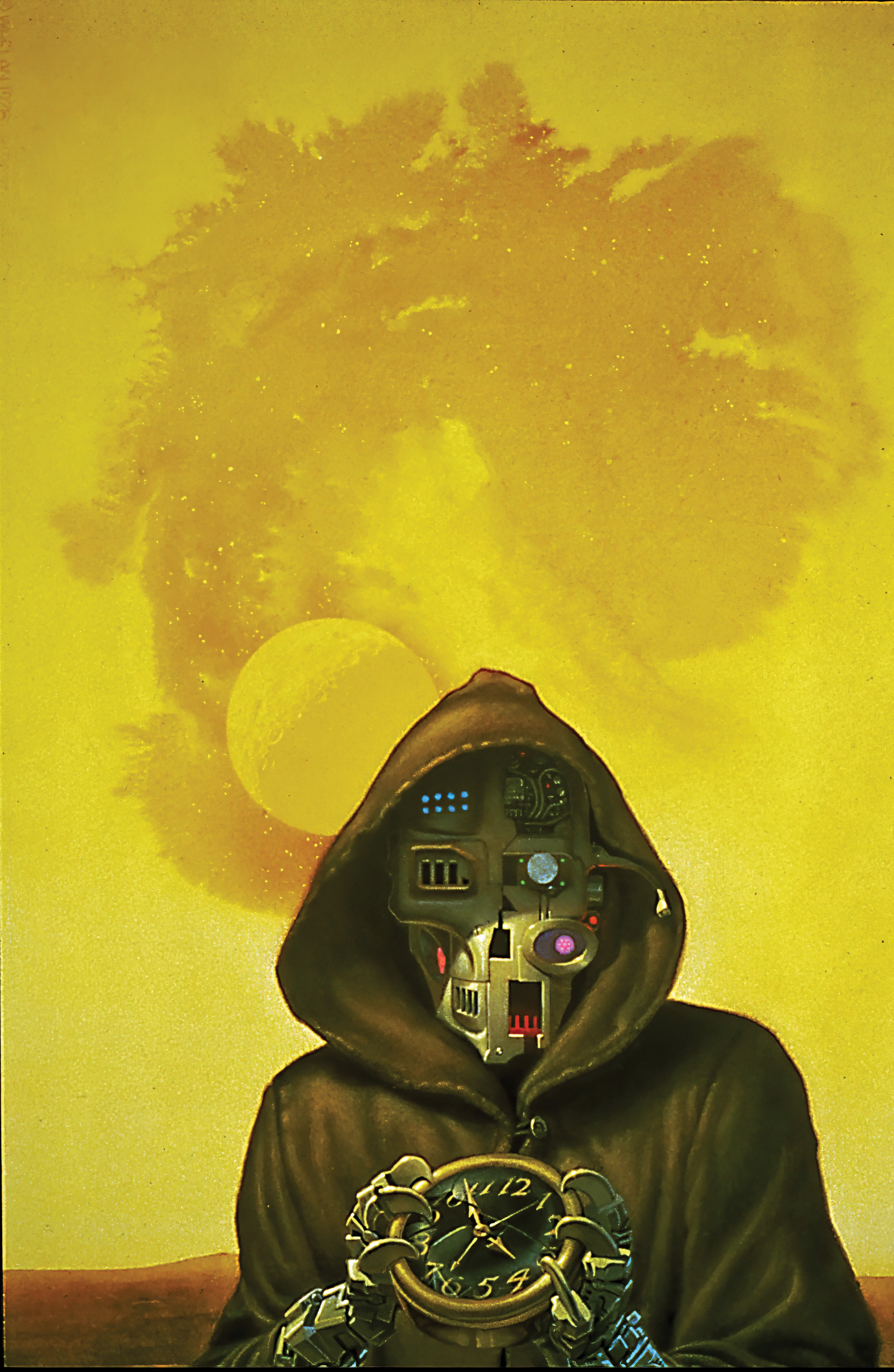
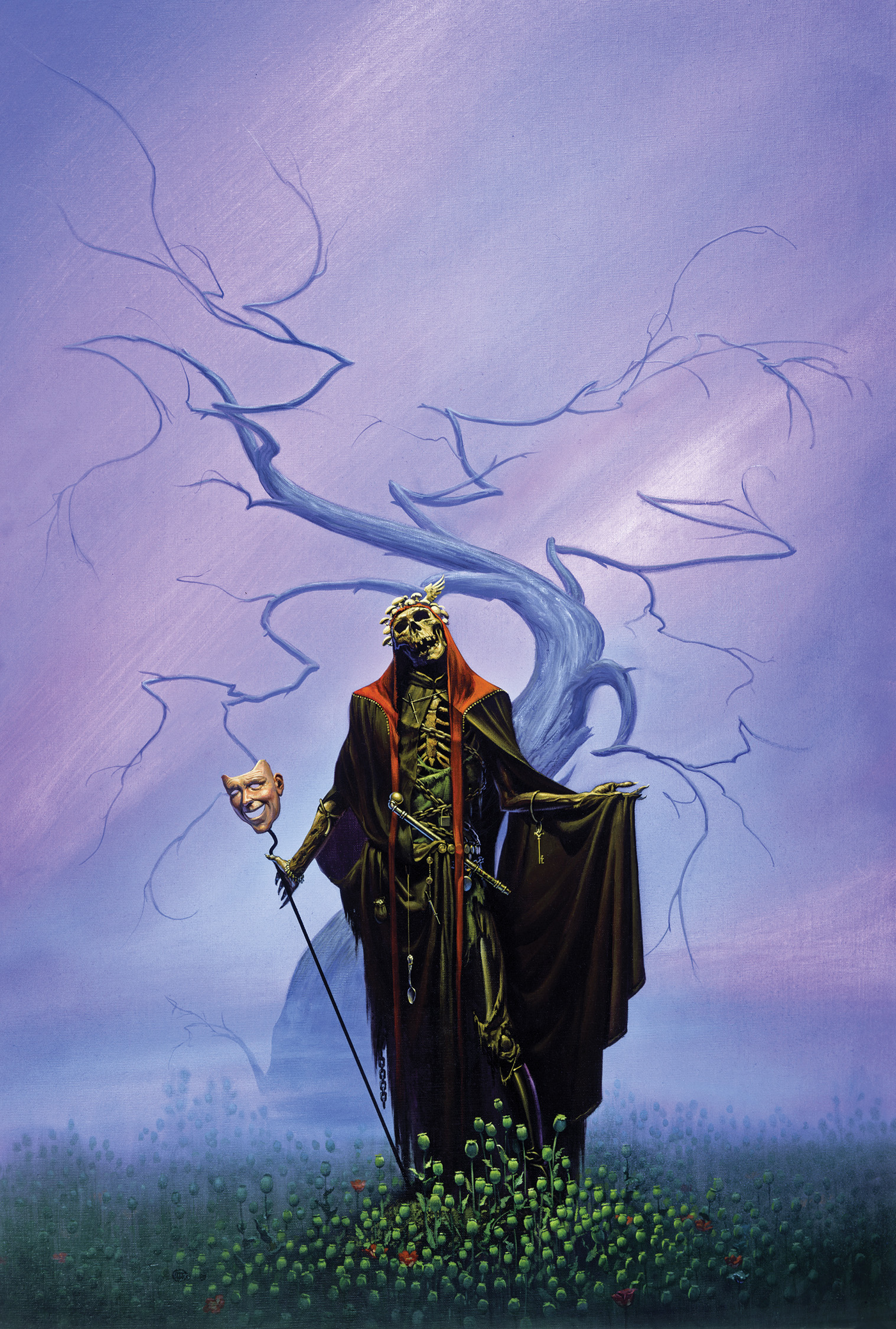 Whelan’s long collaboration with Isaac Asimov is a prime example. Asimov’s novels are rich with abstract ideas. Psychohistory, robotics, the fate of civilizations that resist literal depiction are intrinsic to his world-building. Faced with tight schedules and conceptual complexity, Whelan developed a visual language using symbolic figures, architectural forms, and light itself as narrative tools. The deadline didn’t simplify the work; it sharpened it.
 The Art of Commitment
In the world of commissioned work, there
is no infinite revision and no luxury of waiting for inspiration to strike. The artist must commit conceptually and emotionally to an idea and carry it through to completion. In this sense, the deadline becomes a catalyst, pushing the artist to identify what matters most.
Deadlines also bring pressure, but for Whelan that pressure cultivated discipline. “I tried to stay positive about deadlines from the beginning,” he says. “I always saw them as a challenge. I also learned early on that if I blew an assignment, it’s not the deadline or the art director’s fault. It’s up to me to do a good job and create work that meets our standards.”
His covers for Stephen King highlight another aspect of this balance. King’s stories thrive on mood of unease, dread, and the intrusion of the uncanny into the everyday. Rather than illustrating specific plot points, Whelan focused on evoking atmosphere. Under deadline, he trusted his instincts, choosing images that felt emotionally true even when they revealed little literal detail. The result was a body of work that amplified King’s narratives while capturing a reader’s attention from across a bookstore.
Over time, Whelan found that repeated collaborations also changed the process. “The first choice depends on if I’ve worked with the author before,” he explains. “I may think I know what King wants, but sometimes we surprise each other, which is part of the fun.” Familiarity allowed for quicker, more intuitive decision-making, an important advantage when time was limited.
The Art of Dialogue
Whelan’s career is a counterargument to the romantic myth of limitless creative freedom. Boundaries, time limits, client expectations, and practical goals do not inherently diminish art. In skilled hands, they refine it. Deadlines strip away excess, forcing artists to identify what truly matters in an image.
In an era of rapid production and constant demand, Whelan’s example feels especially relevant. His work suggests that creativity is not the absence of constraint, but an ongoing dialogue with it. •
